

Search


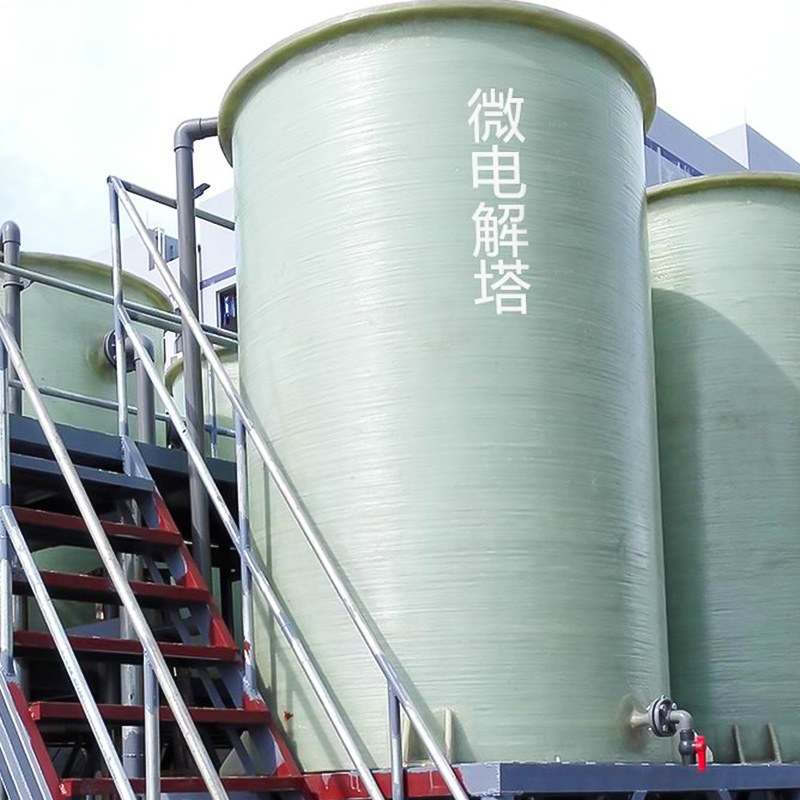
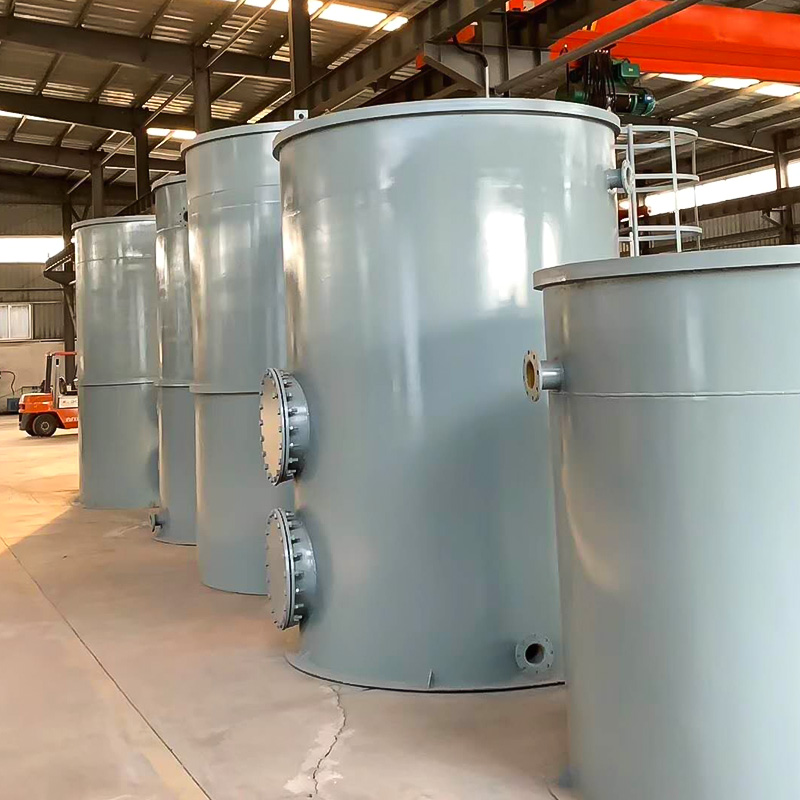
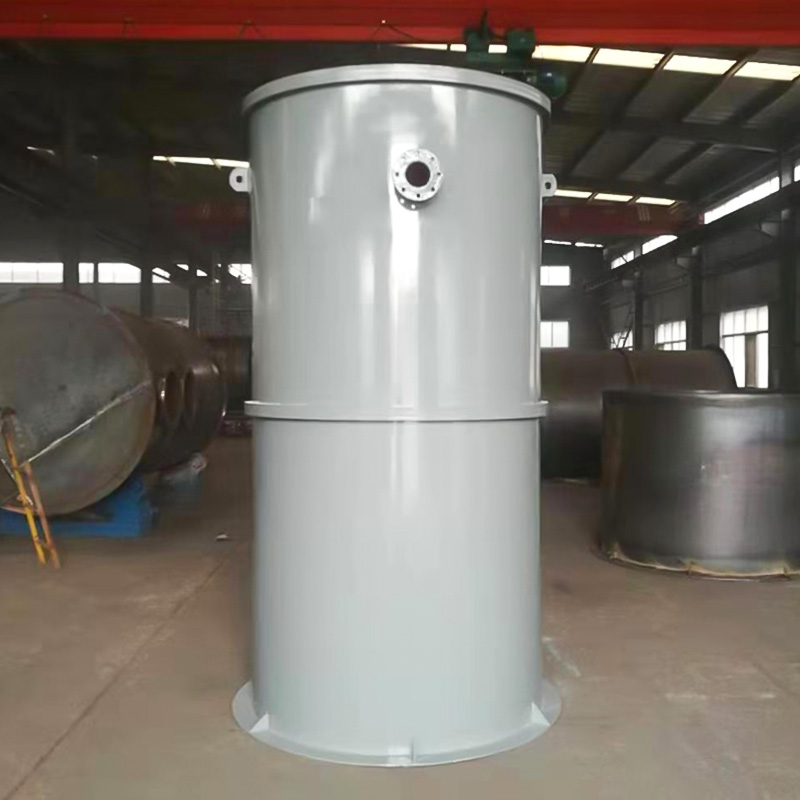
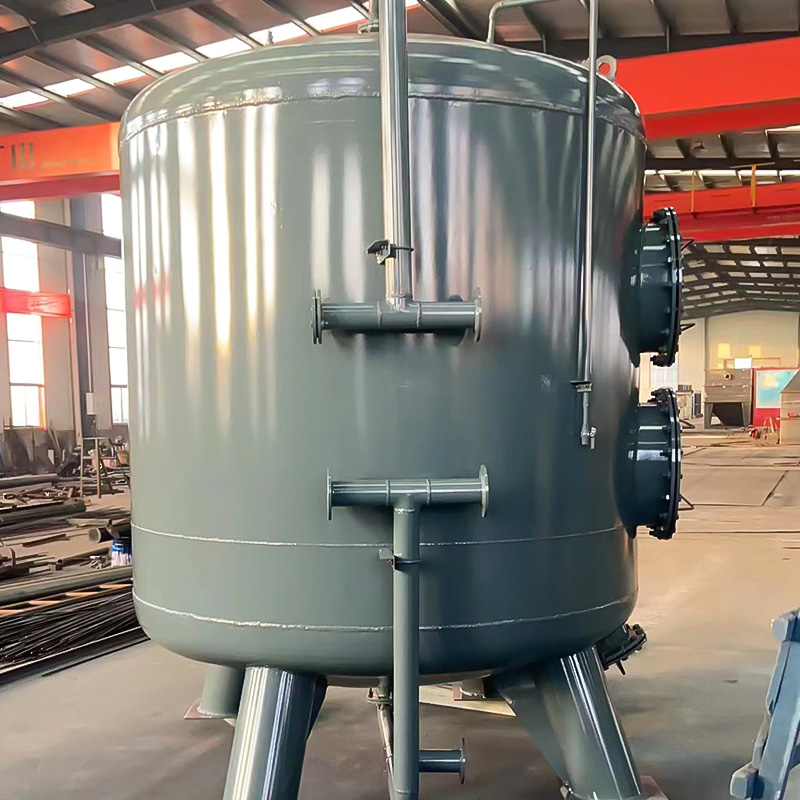
Iron-carbon micro-electrolysis tower
Iron-carbon micro-electrolysis tower




Product information introduction of "Micro electrolysis Reaction Tower":
【1】 Iron carbon filler is a type of sewage treatment filler, and Zhongyan Jiye's iron carbon filler is non caking and low loss! Provide iron carbon filler samples and experimental procedures!
【2】 The microelectrolysis reaction tower has achieved very satisfactory treatment effects in removing COD, chromaticity, and other aspects by utilizing electrochemical, redox, and flocculation processes, and has therefore been highly valued and concerned. The early iron carbon iron carbon packing reaction tank was a layered packing of iron powder and carbon particles, allowing wastewater to react through the packing. Later, it was discovered that as the packing reaction continued, the reaction pool experienced packing compaction, making it impossible to continue the reaction. Therefore, frequent cleaning and replacement of the packing were carried out on site.
【3】 The main mechanism of the microelectrolysis reaction tower in removing pollutants from high concentration organic wastewater is:
Complexation: The continuous release of ferrous ions from microelectrolysis reactions becomes a chelating agent.
Coagulation effect: The continuous release of ferrous ions from microelectrolysis reactions becomes an efficient coagulant.
Reduction effect: The new ecological hydrogen generated by microelectrolysis decolorizes some chromophores.
Oxidation: Micro electrolysis generates a certain amount of new ecological oxygen with strong oxidizing properties, which can oxidize some organic matter.
【4】 The oxidation principle of iron carbon fillers: When electrons are inserted into wastewater, they also pass through water molecules. When water molecules are decomposed, a large amount of hydrogen free radicals, oxygen free radicals, and hydroxyl free radicals are produced. These new ecological free radicals have strong oxidizing properties and can completely oxidize organic matter in wastewater into carbon dioxide and water, thereby reducing COD.
【5】 The iron carbon microelectrolysis method is the result of the comprehensive effects of coagulation, adsorption, bridging, sweeping, co sedimentation, electrodeposition, electrochemical reduction, and other processes, which can effectively remove pollutants and improve the biodegradability of wastewater. The main functions are oxidation-reduction and electrostatic adsorption. The main components of iron carbon filler are iron and carbon. When it is immersed in an electrolyte solution, due to the 1.2V electrode potential difference between Fe and C, countless micro battery systems will be formed, forming an electric field in its operating space. The anodic reaction generates a large amount of Fe2 into the wastewater, which is then oxidized to Fe3, forming a flocculant with high adsorption and flocculation activity. The cathodic reaction produces a large amount of new ecological [H] and [O]. Under acidic conditions, these active ingredients can undergo oxidation-reduction reactions with many components in the wastewater, causing chain scission degradation of organic macromolecules, thereby eliminating organic matter and improving biodegradability. In addition, the cathodic reaction consumes a large amount of H to generate a large amount of OH -, which also increases the pH value of the wastewater.
Principle of Micro Electric Reaction Tower
The high-efficiency microelectrolysis wastewater treatment equipment, also known as the continuous high activity internal electrolysis bed, mainly utilizes the combined action of the reducibility of iron, the electrochemistry of iron, and the coagulation and adsorption of iron ions to purify wastewater. In terms of its processing principle, it should be classified as electrolysis method, and therefore also known as iron carbon internal electrolysis method or iron carbon microelectrolysis method. Under acidic conditions, countless microcurrent reactors are formed between iron and carbon, and organic matter in wastewater is reduced and oxidized under the action of microcurrents.
When wastewater passes through fillers containing iron and carbon, iron becomes the anode, carbon becomes the cathode, and micro currents flow, forming countless small cells and causing corrosion.
The relevant reactions are as follows:
Anodic reaction Fe2e → Fe2+E0 (Fe2+/Fe)=-0.44V
Cathodic reaction 2H++2e → H2 ↑ E0 (H2+/H2)=0.00V
When there is oxygen, O2+4H++4e → 2H2O E0 (O2)=1.23V
If you are looking for a reliable water treatment equipment supplier or manufacturing partner,
please feel free to contact us.
We are ready to support your water and wastewater treatment projects.

 Telephone
 WhatsApp
 Email:
 Address