

Search

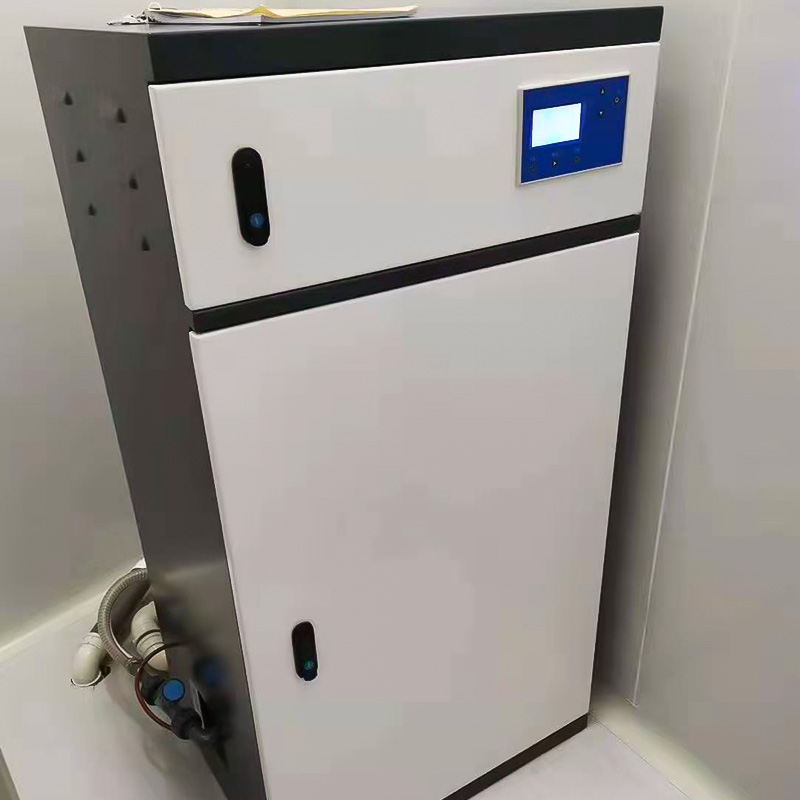
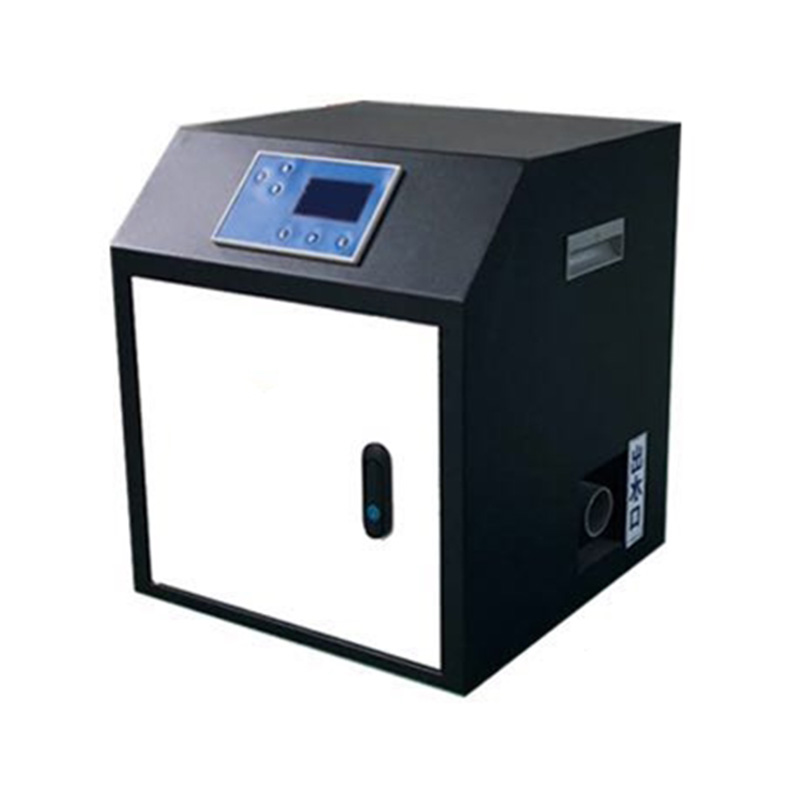
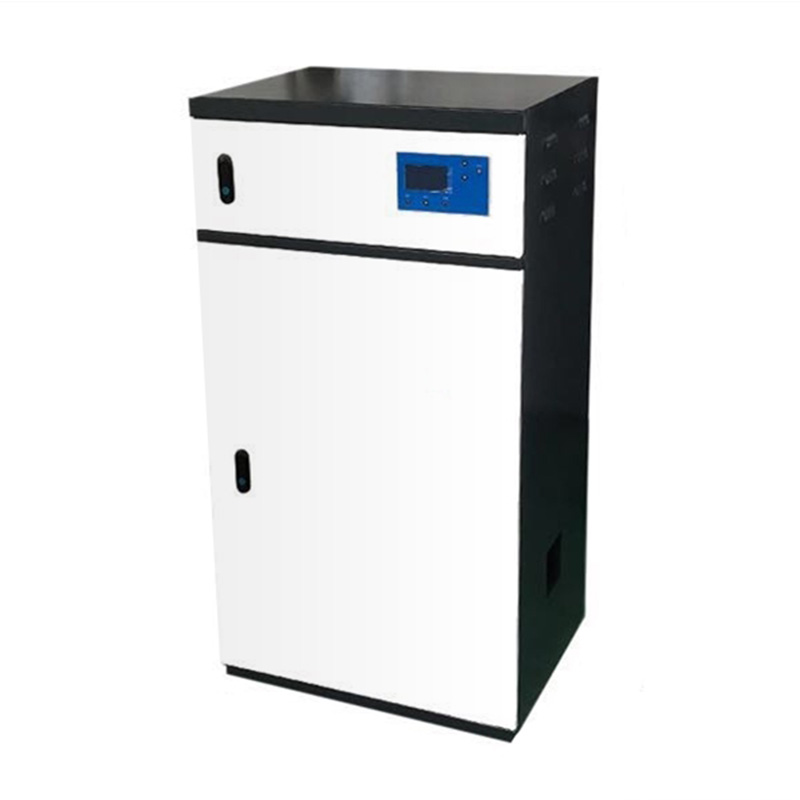
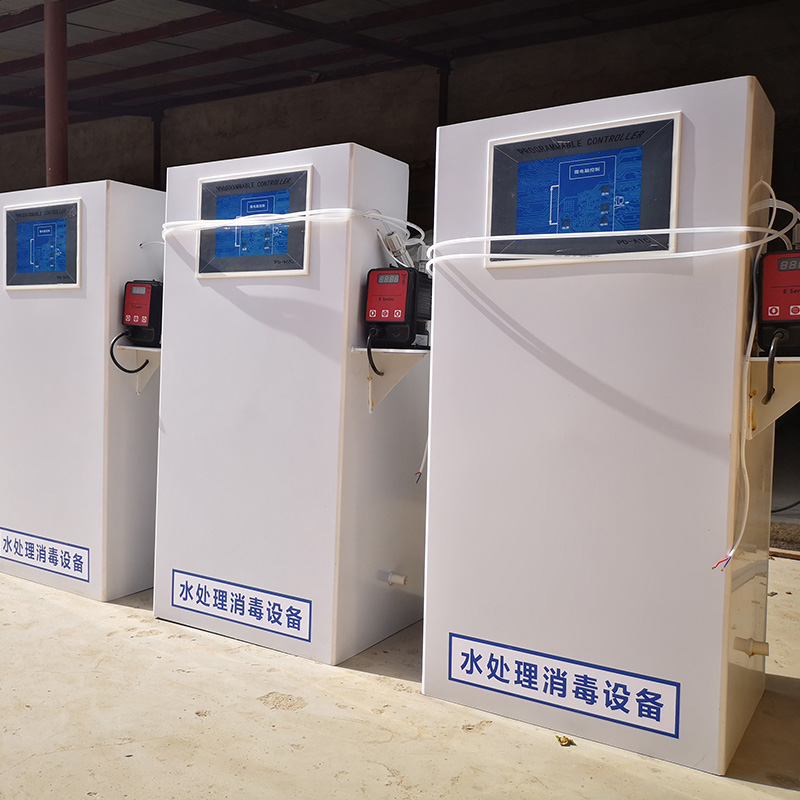
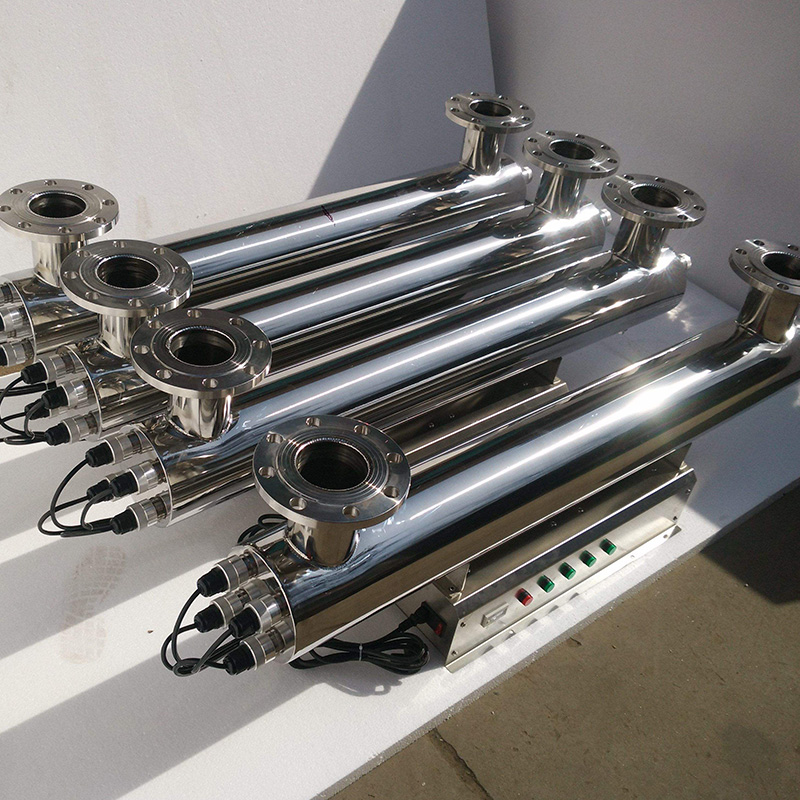
Small-scale medical wastewater treatment equipment
Based on the fact that medical wastewater contains a large amount of pathogenic bacteria, viruses, insect eggs and other pathogens, as well as chemical agents and radioactive isotopes, which have the characteristics of space pollution, acute and latent infection, and pose great harm, the ZYX-X series medical wastewater treatment equipment has been developed. The ZYX-X series medical sewage treatment equipment has been applied in medical institutions in multiple provinces, cities, and towns acros


Specialized wastewater treatment equipment for small-scale outpatient/odontological/clinical/clinical laboratory facilities
I. Overview of Medical Wastewater Treatment Equipment:
Due to the presence of a large number of pathogenic microorganisms—such as bacteria, viruses, and parasite eggs—along with chemical agents and radioactive isotopes in medical wastewater, this wastewater is characterized by spatial contamination, acute transmission, and latent transmission, representing a significant public health hazard. In response, the ZYX-X series of medical wastewater treatment equipment was developed. This series of equipment has been successfully deployed in medical institutions across numerous provinces, municipalities, and townships nationwide and has received unanimous praise from its customers.
II. Equipment Application Scope
1. Wastewater treatment for general medical institutions operating at or below the county level or with fewer than 20 beds, as well as all other medical institutions;
2. The ZYX-X medical wastewater treatment system is ideal for small-to-medium-sized community medical clinics, dental practices, hospital outpatient departments, beauty and body care establishments, and other facilities requiring small-scale wastewater treatment solutions.
III. Features of the ZYX-X Series Medical Wastewater Treatment Equipment:
1. Compact footprint and easy installation
2. Automatic operation and user-friendly interface; the entire system requires no dedicated personnel for management.
3. The system's processing performance is stable and reliable.
4. Beautiful appearance, compact design, and easy portability
5. Additives application – reduces subsequent operating costs
6. The sustained-release disinfection device achieves a sterilization rate of 99%, ensuring thorough disinfection.
IV. Equipment and Process Overview
The ZYX-X wastewater treatment system employs physical treatment methods without the need for chemical additives, thereby preventing any exceedance of chlorine emission limits. The core treatment process combines chlorine disinfection with filtration and adsorption. The disinfection mechanism involves the destruction and oxidation of microbial cell membranes, cytoplasm, enzyme systems, and nucleic acids, thereby rapidly inactivating bacteria and viruses. The slow-release disinfection unit, manufactured using chlorine tablets as raw material, achieves a disinfection efficiency of over 99% against pathogenic microorganisms, bacteria, and viruses present in medical facility wastewater. The entire system has a continuous service life of 80,000 hours under standard operating conditions.
V. Equipment Configuration
|
order number |
device name |
unit type |
vender |
|
1 |
ZYX-X Compact Outpatient Wastewater Treatment System |
ZYX-Xmould |
Zhongyan Jiye |
|
2 |
sterilizer |
ZYHSXmould |
Zhongyan Jiye |
|
3 |
filter |
GLQ-1 |
Zhongyan Jiye |
|
4 |
Water distribution device |
|
Zhongyan Jiye |
|
5 |
filter material |
Premium filter media |
Weifang Chenfeng |
|
6 |
control cabinet |
220V |
Zhongyan Jiye |
|
7 |
booster pump |
QW10-20-0.2 |
Zhejiang |
operating instruction
Small Hospital Wastewater Treatment Equipment User Manual:
I. Equipment Installation
The equipment is easy to install; its main components include the inlet pipe, outlet pipe, and power supply. First, locate an appropriate space for installing the equipment.
1. Install the inlet pipe and connect it to the sewage source pipeline; the wastewater will then flow into the collection tank by gravity. (Note: The wastewater must be allowed to flow into the equipment solely by gravity).
2. Connect the discharge pipe to the sewer system or septic tank.
3. The power supply operates at 220 V; after plugging in the power supply, test whether the leakage protection plug is functioning correctly.
4. The raw water tank contains filter cotton; after loosening the screws, lay the filter cotton flat inside the filter cotton compartment.
5. Check all pipelines for leaks.
II. Equipment Operation
1. After powering on the equipment, it will start operating automatically. First, verify that the liquid level control is functioning correctly; open the sewage inlet until water flows from the outlet, then close the tap at the sewage inlet. Observe whether the equipment stops after running for 5–10 minutes. Once the equipment is operating normally, proceed to the next step.
2. To administer chlorine tablets: locate the circular dosing port on the disinfection unit, unscrew it counterclockwise, insert 1–2 chlorine tablets, and then screw the circular cover back in clockwise. (Note: The circular cover must be securely tightened; otherwise, water may leak.) Administer chlorine tablets every 10–15 days.
3. Replacement of filter cotton: After one month of equipment operation, replace the filter cotton with a new one; the filter cotton is located inside the water collection tank.
III. Important Notes
1. When the raw sewage feedwater valve is in operation, it controls the water flow rate to enable indirect operation, thereby preventing excessive water flow from causing the equipment to overload or overflow.
2. Regularly flush the sand filter tank to prevent foreign objects from clogging the system and compromising filtration efficiency.
3. Replace the filter cotton regularly to prevent the power pump from clogging.
4. Regularly add chlorine tablets to avoid compromising the disinfection efficacy.
If you are looking for a reliable water treatment equipment supplier or manufacturing partner,
please feel free to contact us.
We are ready to support your water and wastewater treatment projects.

 Telephone
 WhatsApp
 Email:
 Address