

Search


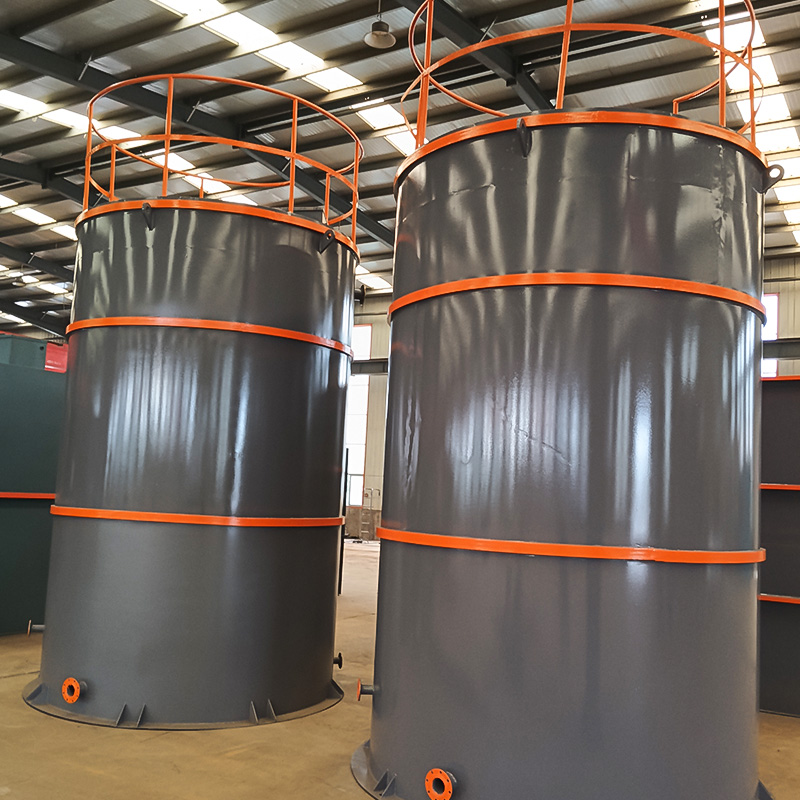
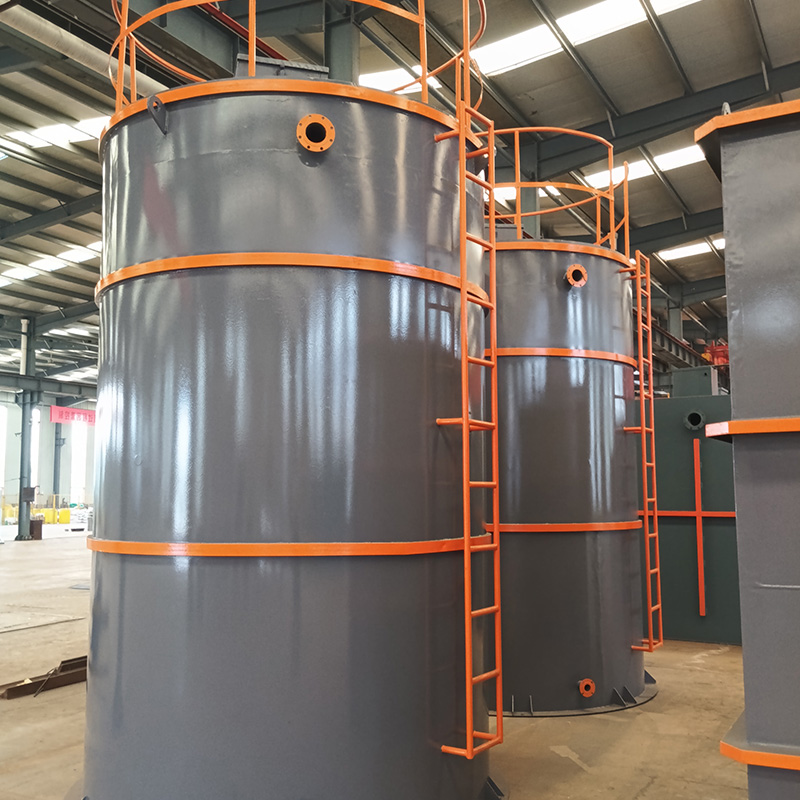
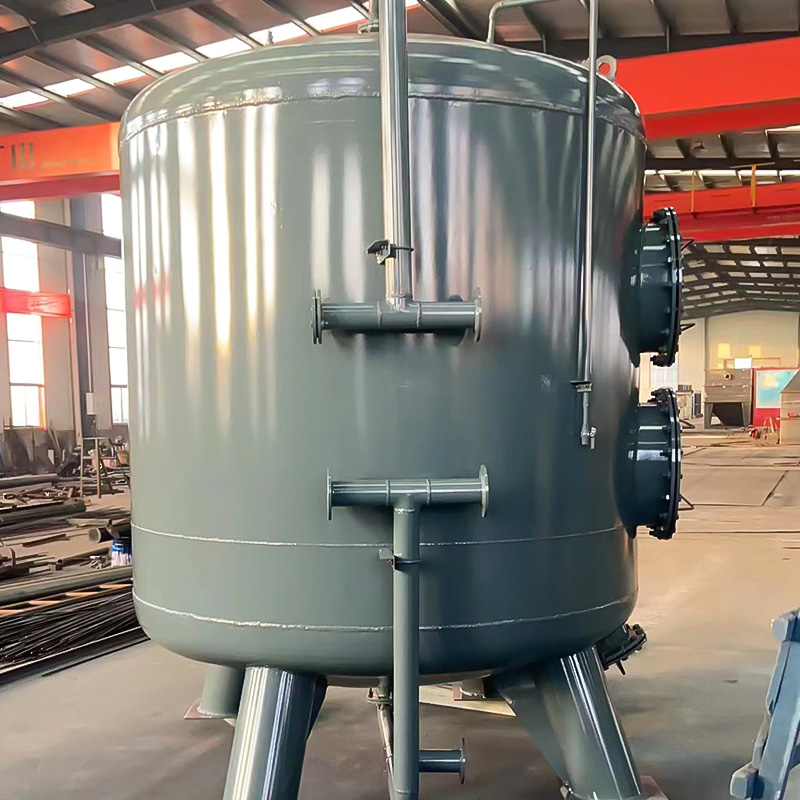
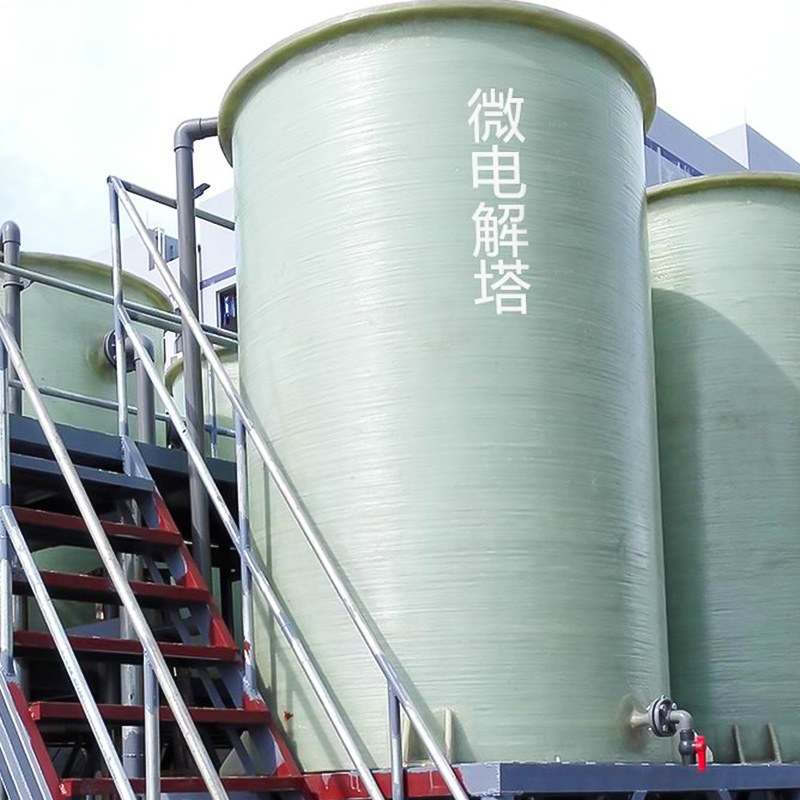
Fenton oxidation tower
Fenton oxidation tower




One Fenton oxidation tower product introduction
The Fenton oxidation degradation reaction device for COD in wastewater can effectively oxidize and remove difficult to degrade organic compounds that cannot be removed by traditional wastewater treatment techniques. Its essence is that H2O2 generates highly reactive hydroxyl free · OH under the catalytic action of Fe2+, which can interact with most organic compounds to degrade them. With the deepening of research, ultraviolet light (UV) and oxalate (C2O42-) have been introduced into Fenton reagent, greatly enhancing its oxidation ability. Generally speaking, the Fenton method is a technique that utilizes catalysts, light radiation, or electrochemical reactions to generate hydroxyl radicals (· OH) through H2O2 for the treatment of organic compounds.
On the basis of the Fenton method, we now adopt an electrochemical approach using different electrodes. With air introduced, the anode continuously produces ferrous ions and the cathode continuously produces hydrogen peroxide. By extending the Fenton reaction time, the amount of Fenton reagent used is reduced, achieving the goal of reducing costs and improving oxidation efficiency.
2、 Working principle and main characteristics of Fenton oxidation equipment manufacturers and suppliers
The Fenton oxidation device for degrading COD in wastewater can improve the biodegradability of wastewater through catalytic oxidation.
Fenton reagent is a commonly used catalytic reagent, which is composed of ferrous salts and peroxides. When the pH value is low enough, under the catalytic action of ferrous ions, hydrogen peroxide will decompose to produce OH ·, thereby triggering a series of chain reactions. The role of Fenton reagent in water treatment mainly includes two functions: oxidation and coagulation of organic matter
3、 Fenton oxidation equipment application field
The Fenton reactor has been widely used in the removal of recalcitrant organic pollutants, such as printing and dyeing wastewater, oily wastewater, phenol containing wastewater, coking wastewater, nitrobenzene containing wastewater, diphenylamine wastewater, and other wastewater treatments. The Fenton method, as a wastewater treatment technology, utilizes the chain reaction between Fe2+and H2O2 to catalyze the generation of highly oxidizing hydroxyl radicals (· OH), which can oxidize various toxic and difficult to degrade organic compounds. For the treatment of high concentration difficult to biodegrade wastewater, it can be used as a biological pretreatment to improve water quality, enhance the biodegradability of wastewater, and create favorable conditions for subsequent deep treatment. Especially suitable for the deep treatment of organic wastewater such as leachate that is difficult to biodegrade or is difficult to effectively oxidize by general chemical methods.
4、 The main features of Fenton oxidation equipment are:
Ministry of Investment;
Small land occupation;
High processing efficiency;
Low operating costs;
Easy self-control;
Strong oxidation ability and relatively low operating costs;
Normal pH value; Less reaction time;
Advanced Oxidation Processes are defined as processes that can generate a large amount of OH radicals, using highly active radicals to attack and react with large organic molecules, thereby disrupting the molecular structure of the oil agent and achieving the goal of oxidizing and removing organic matter, achieving efficient oxidation treatment.
The Fenton method exhibits significant selectivity in treating wastewater containing hydroxyl organic compounds. The type of hydroxyl substituent, the number of hydroxyl groups, the position of hydroxyl substitution, the length of the main chain, and the saturation of the main chain all have varying degrees of influence on the treatment effect of Fenton method. The experimental results indicate that monophenolic hydroxyl groups have a promoting effect on the Fenton reaction, while monophenolic hydroxyl groups have a strong inhibitory effect on it; When the number of carbon atoms is the same but the number of hydroxyl groups is different, the effect on the Fenton reaction gradually decreases as the number of hydroxyl groups increases; The more carbon atoms in the main chain of a saturated monoalcohol, the more pronounced its inhibitory effect on the Fenton reaction; The effect of the unsaturation of the main chain on the Fenton reaction is also different. The Fenton treatment of aliphatic unsaturated hydroxyl compounds is very poor, while it has a good oxidation treatment effect on benzene ring hydroxyl compounds; When the chain length and the number of hydroxyl groups in the alcohol are different, the inhibitory effect on the Fenton reaction decreases with the increase of the main chain and the number of hydroxyl groups, showing a good oxidative degradation effect. The amount of hydroxyl radicals produced in different systems can be used to directly determine the inhibitory effect and degree of substrate on Fenton reagent. Pulse heating has a promoting effect on the oxidation of Fenton reagent at room temperature, and the higher the heating frequency, the more significant the effect.
The Fenton process is used to treat industrial wastewater, which can oxidize and decompose organic matter in industrial wastewater in a very short time, with a relatively high oxidation rate and no secondary pollution. And the infrastructure investment for this process is relatively low, and there is no need to spend a lot of money during the application process. The operation process is relatively simple. The Fenton process has been widely applied in industrial wastewater treatment in recent years, achieving good results.
5、 Factors affecting Fenton reaction
1. Temperature factor
In the Fenton reaction, temperature is an important factor affecting its effectiveness. As the temperature continues to increase, the speed of the Fenton reaction will gradually accelerate. With the increase of temperature,? The generation rate of OH will increase, can it promote? OH reacts with organic matter to enhance the oxidation effect and improve the removal rate of CODCr. The increase in temperature will also accelerate the decomposition rate of H2O2, decomposing into O2 and H2O, which is beneficial for? The generation of OH is unfavorable. The optimal temperature for Fenton reaction varies among different types of industrial wastewater.
2. PH value
Normally, Fenton reagents only react in acidic environments, and an increase in pH can cause? The occurrence of OH is limited and iron hydroxide precipitation may occur, resulting in a loss of catalytic ability. If there is a high concentration of H in the solution, Fe3 cannot be reduced to Fe2, and the catalytic reaction will be hindered. There are research results indicating that in acidic environments, especially when the pH is between 3-5, Fenton reagent has strong oxidation ability, and the degradation rate of organic matter is relatively fast, which can be degraded within a few minutes. The reaction rate of organic compounds is directly proportional to the initial concentrations of Fe2 and hydrogen peroxide. The use of Fenton process in industrial treatment requires adjusting the pH of the wastewater to around 3.5.
3. Organic compounds
The usage and oxidation efficiency of Fenton reagent vary for different types of industrial wastewater, mainly due to the presence of different types of organic compounds in different types of industrial wastewater. For carbohydrates such as sugars, due to the action of hydroxyl radicals, molecules undergo dehydrogenation reactions, resulting in C-C bond breakage; For water-soluble polymers and ethylene compounds, hydroxyl radicals can cause the C=C bond to break. Hydroxyl radicals can cause aromatic compounds to undergo ring opening and form fatty compounds, reducing the biological toxicity of this type of wastewater and improving its biodegradability.
4. When using the Fenton process to treat industrial wastewater with H2O2 and catalyst input, it is necessary to clarify the amount of chemical input and its economy. If a large amount of H2O2 is input, it will improve the removal rate of CODCr in the wastewater. However, after reaching a certain amount, the removal rate of CODCr will gradually decrease. The amount of catalyst input is the same as the amount of H2O2 input. As the amount of Fe2 increases, the removal rate of CODCr will increase. After reaching a certain level, the removal rate of CODCr will decrease. In practical work, it is necessary to clarify the amount of H2O2 and catalyst input through experiments.
6、 Application of Fenton oxidation equipment and Fenton process in industrial wastewater treatment
1. Application of Fenton Process in Printing and Dyeing Wastewater
The application of Fenton process in printing and dyeing wastewater has high chromaticity, high concentration of chemical oxygen demand, high salt content, and weak biodegradability. Fenton reagent has high oxidation ability, which can convert some organic compounds that are difficult to biodegrade into substances with good biodegradability, destroy the chromophores in dyes, and reduce chromaticity. Therefore, it is widely used in the treatment of printing and dyeing wastewater. By utilizing Fenton derived processes, such as micro electrolysis Fenton oxidation, anthraquinone dyeing and finishing wastewater can be treated. This type of wastewater is difficult to degrade, with a removal rate of about 93.5% for chemical oxygen demand, 93% for BOD5, and 95.5% for effluent color. When the pH is between 2-4, the amount of hydrogen peroxide input is 30g/L, and the amount of catalyst input is 1/150 of hydrogen peroxide, using the Fenton process to treat the wastewater from intermediate H acid production can achieve a 50% chemical oxygen demand removal rate.
2. Application of Fenton Process in Coking Wastewater
Coking wastewater contains polycyclic aromatic hydrocarbons and nitrogen-containing heterocyclic compounds that are difficult to biodegrade. The wastewater also contains many biologically toxic and inhibitory substances. Even with biochemical treatment, it is difficult for the wastewater to meet the standards. The anaerobic aerobic process cannot achieve reasonable discharge standards for coking wastewater. Although the use of activated carbon technology for treatment can achieve certain results, this process method has relatively high cost consumption and may cause secondary pollution. The Fenton process has broad development prospects in the treatment of refractory organic wastewater and can achieve good results.
3. Application of Fenton Process in Garbage Leachate
The leachate from garbage contains a high concentration of organic matter, most of which are difficult to biodegrade, as well as many toxic and harmful substances. The concentration of ammonia nitrogen is relatively high, and the proportion of microbial nutrients is severely imbalanced. Using general biochemical treatment processes, the process is complex and the effect is average. By using the Fenton process to treat the biochemically treated leachate, the effluent quality can meet the secondary sewage discharge standard, which can improve the biodegradability of the leachate and provide important guarantees for the subsequent biochemical treatment.
4. Application of Fenton process in phenol containing wastewater
Phenolic substances have high toxicity and carcinogenic effects on the human body, making them difficult to degrade industrial wastewater. The Fenton process can process various phenols such as phenol and cresol, and has good results. If the room temperature is reasonable, the pH is between 3-6, and there is an iron oxide catalyst, hydrogen peroxide can quickly destroy the phenolic structure. During the oxidation process, it can first split the benzene ring into dicarboxylic acids, and then generate carbon dioxide and water. The Fenton process is widely used in phenol containing wastewater, which can reduce the biological toxicity of the wastewater and improve its biodegradation performance.
The Fenton reaction can effectively degrade toxic organic pollutants and has a wide range of applications, achieving good results in both laboratory and practical applications. The current industrial wastewater treatment advocates the development model of circular economy. Using a single sewage treatment plant to treat toxic wastewater cannot achieve ideal results. The Fenton process is a very effective wastewater treatment method, which can achieve biodegradability and deep treatment of wastewater. In addition, other technologies can realize the reuse of reclaimed water to achieve the purpose of recycling.
If you are looking for a reliable water treatment equipment supplier or manufacturing partner,
please feel free to contact us.
We are ready to support your water and wastewater treatment projects.

 Telephone
 WhatsApp
 Email:
 Address